35-40% of all the world’s land is used for agriculture
- out of which ~ 75% is used for raising animals or feed they eat.
Impact of current agriculture and agricultural practices
- is the largest driver of habitat loss and species decline (deforestation)
- is responsible for 70% of total water withdrawals and 85% of our global water consumption.
- Is the largest source of water pollution, especially in the form of nitrogen and phosphorous run off to aquatic ecosystem and coastal oceans.
- Is one of the largest sources of GHG emissions- 24% directly and 35% if we include indirect emission from larger food system.
- Is responsible for losing 75 billion tons of top soil (5-20cm) which has the highest concentration of organic matters and micro- organisms.
Let us look at some of the challenges in the food system now and the growing demand.
For every $1 spent, the environmental and social costs incurred is $2.
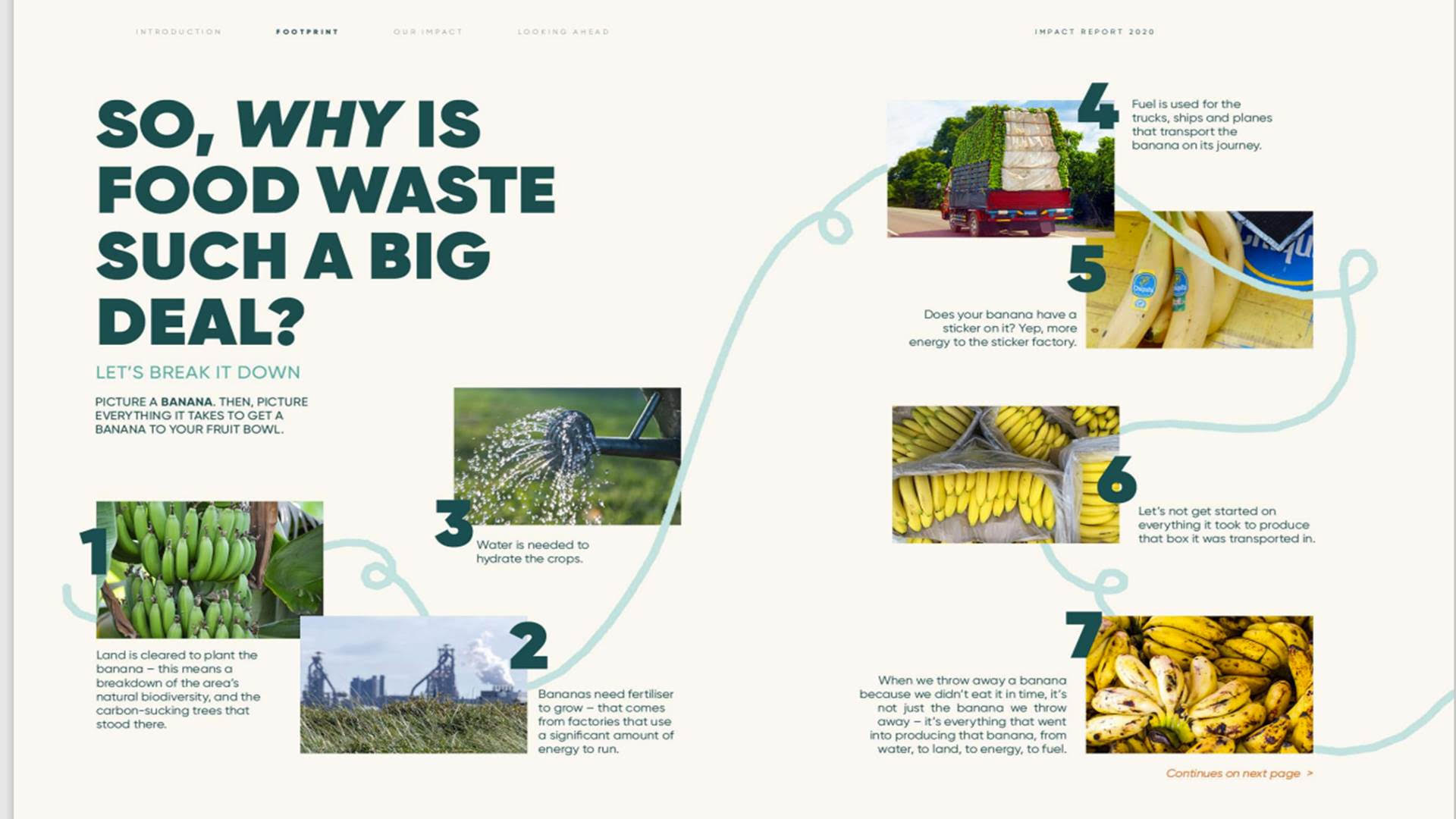
Currently, the estimated food thrown away is roughly 30% of production
- and is estimated to be approximately of value, 1 T $
- which is approximately, 6 garbage trucks every second globally
- Developing countries lose it due to lack of infrastructure and developed world due to habits.
Roughly 10% of world’s population continues to go hungry
- By 2050, we will have to feed close to 10b people and would need to increase food production by 70%
- By 2050, 68% of world’s population will be living in cities, consuming 80% of food production
So, if nothing changes, amid increasing food prices, (upto180% for corn and 130% for rice by 2030), we will
- Have huge loss of nutrients and will be a major cause of environmental issue
- Run out of food in 28 years
- Run out of fresh water in 18 years
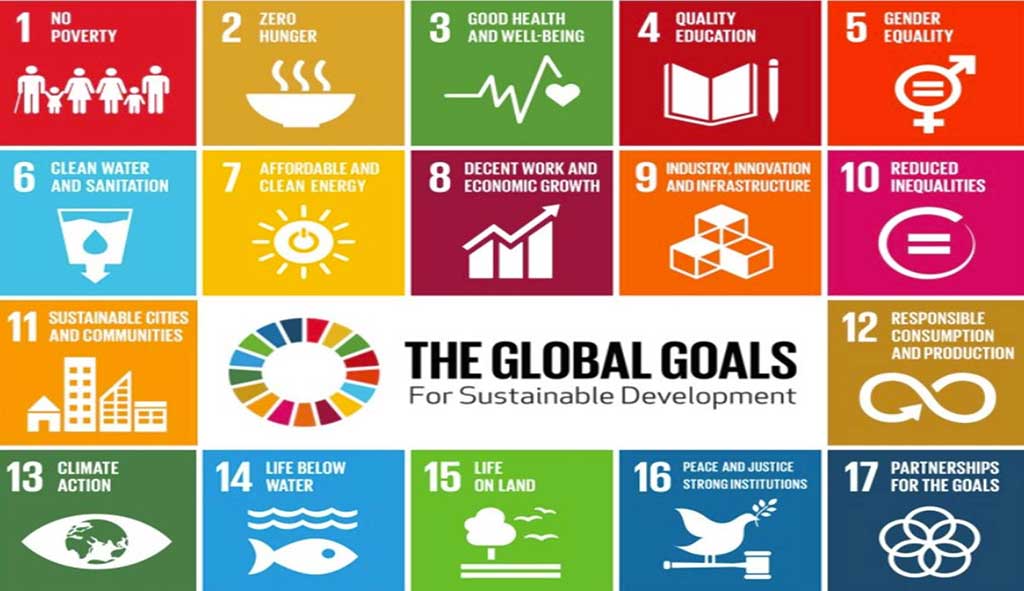
So, in a nutshell, we have to continue to grow and produce more food but in a sustainable manner that ensures zero waste, minimal or no impact on climate and no depletion of natural resources, nor damaging the ecosystems, thereby the future generations can meet their own needs too.